
Age of Origins
CamelStudioStrategy
4.126.42K Reviews
- Version
- 1.3.862
- Installs
- 50.00M
- Age Rating
- Teen
Screenshots

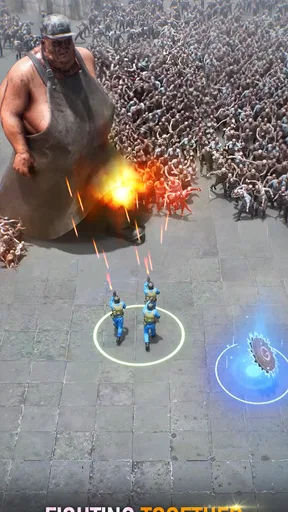

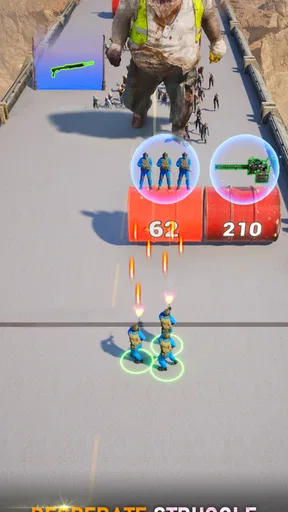
Our Review of Age of Origins
 Analysis by Appyee
I tend to judge a strategy game like this by a few practical questions: does it give me meaningful decisions, can I enjoy it in short visits, and does its social side feel worthwhile rather than compulsory? Age of Origins leans into all three, mixing city development, resource planning, zombie threats, and competition with other players. It is a mobile strategy game from CamelStudio, and its post-apocalyptic setting gives familiar base-building tasks a clear survival purpose.
The key decision is whether you want a game that asks you to manage a settlement over time, not simply win a self-contained battle and move on. Here, building, research, troops, and alliances sit alongside combat. That makes the experience broader than a straightforward tower-defense game, but it also means there are more systems to keep track of. I find it most appealing when I’m in the mood to make gradual progress and check back on a plan, rather than looking for a quick match with a clean endpoint.
What to decide before you start
The game is free to download, with in-app purchases ranging from $0.99 to $394.99 per item. That range is worth considering before you get invested: you can begin without paying, but the presence of purchases means it is sensible to decide your own spending limit early. I would treat optional purchases as a convenience, not as a requirement for enjoying the basic idea, and avoid buying anything simply because a timer or competitive moment makes it feel urgent.
It is rated Teen, and it suits players comfortable with a zombie-apocalypse setting and strategic conflict. The game has a 4.1 average from around 548,000 ratings, with about 26,000 written reviews and over 50 million installs. Those figures suggest a sizable audience, but they do not tell you whether its ongoing, alliance-oriented style fits your routine. The better test is whether you enjoy tending a base and coordinating with other people, even when there is no single dramatic finish to a session.
For a realistic everyday example, imagine opening the game during a break, checking what your city needs, choosing a building or research priority, and deciding whether to train troops before you leave. Later, you might return to take part in a battle or catch up with alliance plans. That sort of stop-and-return rhythm is a natural fit for mobile play, but it works best if you are comfortable keeping a few longer-term goals in mind instead of expecting every visit to deliver a complete story.
Getting Started: The Basics
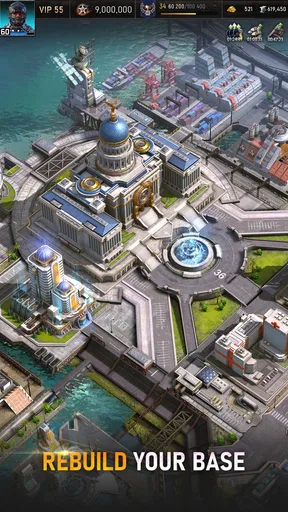
When you first fire up the game, you're immediately thrown into a world where survival is the name of the game. The zombies have taken over, and it's up to you to build a city that can withstand the onslaught. Right from the get-go, the game sucks you in with its detailed graphics and engaging storyline. Seriously, I felt like I was living my own zombie apocalypse movie!
The game does a great job of easing you into the mechanics. You start by building essential structures like farms, barracks, and research facilities. Each building plays a crucial role in your survival strategy, so you’ll find yourself strategizing on the best layout for your city. One minute you're upgrading your defenses, and the next, you're researching new technologies to give you an edge over the undead.
Gameplay: Strategy Meets Survival
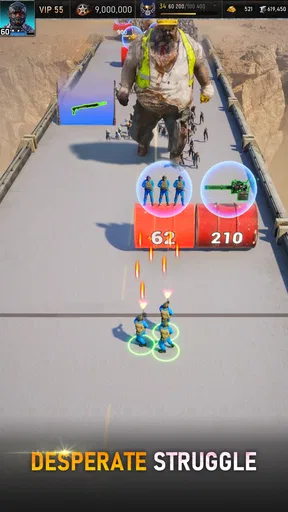
What I love about the gameplay is how it combines different elements seamlessly. You need to balance resource management, troop training, and city building, all while keeping an eye on those pesky zombies. Every decision counts, and trust me, there are moments where you'll be on the edge of your seat!
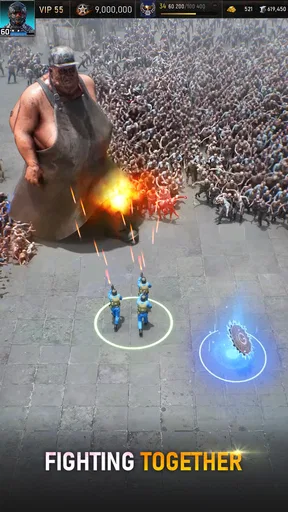
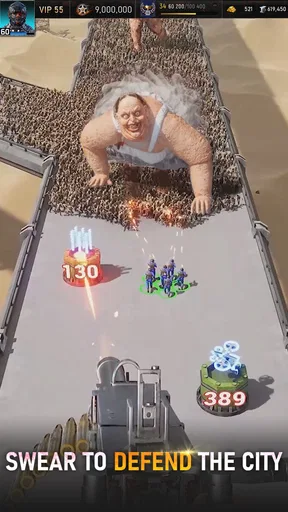
The combat system is another highlight. You can command your troops in real-time battles against zombies, rival players, and even participate in alliance wars. The strategic depth here is impressive. You’ll find yourself planning troop formations, timing your attacks, and coordinating with allies. It's all about outsmarting your opponents and zombies alike.
Making progress without turning every visit into a chore
My practical advice is to give each visit a purpose. Before tapping through menus, decide whether you are checking the city, developing technology, preparing troops, or responding to alliance activity. Because those activities compete for your attention, a small priority list helps prevent aimless upgrades. It also makes it easier to notice whether your choices support one another: troop preparation is more useful when it matches the kind of battles you plan to join, while research can support a longer-term direction.
Another useful habit is to think in terms of trade-offs rather than assuming every available upgrade is equally urgent. A building can improve your settlement, but choosing it may mean postponing another development. Research and troop training also ask you to plan ahead instead of reacting only when a fight appears. I would avoid spreading attention across every system at once; choosing one near-term goal and one longer-term goal gives the city a clearer sense of direction.
Before committing to a battle, I would also consider what you want from it. Zombie encounters, rival players, and alliance wars are not interchangeable activities: one may suit a self-directed session, while another depends more on timing and coordination. If you only have a few minutes, it may be better to handle a city task than to begin an activity that is more rewarding when you can follow through. That distinction helps the game fit around daily life instead of making every notification feel like an obligation.
There is a learning curve in keeping all these parts balanced. Players who enjoy comparing options and adjusting plans will likely see that as the point; players who want a simple loop may see it as busywork. I also find that the social layer changes the feel of play. Being in an alliance can make decisions more collaborative, but it naturally brings other players’ schedules and priorities into the experience. If you prefer to play entirely at your own pace, that is an important trade-off to weigh.
Graphics and Sound: Immersive and Engaging
The developers have done a fantastic job with the graphics. The post-apocalyptic setting is brought to life with detailed environments and character designs. The zombies look terrifyingly real, adding to the urgency and immersion of the game. Plus, the sound effects and background music are spot on, enhancing the overall experience.
The game’s graphics and sound combine to create an atmosphere that’s both thrilling and chilling.
How it compares with other strategy games
Compared with a compact tactical game built around isolated matches, this one puts more emphasis on nurturing a city and connecting battles to wider development. That is its main appeal if you like seeing a settlement take shape over time. A tower-defense game may be a better choice if you want the central challenge to be arranging defenses and handling waves without also managing troop training, research, and alliance relationships. Likewise, a turn-based strategy game may suit you better if you prefer to pause over each move rather than command troops in real-time battles.
It also differs from single-player survival games, where the story and challenges can be enjoyed at your own pace without depending on a wider player community. Here, alliances and wars are part of the draw, so the experience can feel richer when you want shared goals, but less comfortable if social coordination is precisely what you are trying to avoid. I would choose based on the kind of attention you enjoy giving a game, not simply on whether you like zombies: the setting is only one part of the commitment.
The current version is 1.3.828, and the game requires Android 7.0 or later. Those details matter if you are checking whether an older device can run it, but the more important personal question is whether you have room for a strategy game that develops through repeated visits. If your device meets the requirement and you like this style, the free starting point gives you a way to see whether its pace suits you before deciding whether to spend anything.
Community and Social Features
One of the aspects that keeps me coming back is the social interaction. The game allows you to join alliances, which is crucial for survival. Being part of a team means you can participate in alliance missions, share resources, and strategize together. The camaraderie and teamwork add a whole new layer to the game. It's not just about surviving the zombies, but thriving with your allies.
The in-game chat feature is also a nice touch. You can communicate with players from all over the world, making new friends or foes as you go. It’s fascinating to see how different players approach the game and share strategies.
Is the alliance side right for you?
If you are new, I would approach alliance participation as a way to learn how other players organize their efforts, rather than assuming you need to lead or keep up with everything immediately. Pay attention to which activities your group actually values and ask questions when a plan is unclear. That can make the social layer useful instead of overwhelming. Sharing strategy can also expose you to approaches you might not have considered while managing your city alone.
At the same time, joining a group changes the cost of switching away. Your city’s progress is one consideration, but the relationships and shared plans can make taking a break feel less like closing an ordinary game. I would be honest with yourself about how often you want to check in before getting deeply involved. If you want occasional, fully self-contained sessions, a solo strategy title may be a more comfortable fit; if cooperation gives you a reason to return, this social structure is a genuine strength.
For anyone wondering whether the game can be enjoyed without paying, I would start free and judge it by the parts you naturally enjoy: city planning, research, combat, or alliance play. Keep purchases deliberate, especially given the broad range of optional item prices. If you are unsure whether the game’s pace is for you, there is little reason to make a purchase before you understand how its different activities fit together.
Final Thoughts: A Must-Play for Strategy Fans
Overall, this is a game that has something for everyone. Whether you're a strategy buff, a zombie enthusiast, or just someone looking for a new game to sink their teeth into, this game delivers on all fronts. The blend of city-building, combat, and social interaction keeps things fresh and exciting.
So, if you're ready to test your strategic skills and survive the zombie apocalypse, give it a try. It’s not just a game; it’s an adventure that pulls you in and keeps you hooked. Just remember to keep your wits about you and don’t let the zombies bite!
Who I would recommend it to
I would recommend Age of Origins to someone who enjoys strategy games that combine settlement growth with active combat and a social dimension. It is especially suited to players who like making plans, revisiting them, and seeing how resource choices affect later decisions. CamelStudio’s game has the broad mix that can keep those players occupied, and its free entry makes it easy to try before deciding whether it deserves a regular place on your phone.
I would skip it if you want a brief, self-contained game with no ongoing management, or if alliance interaction sounds like pressure rather than fun. I would also look elsewhere if your ideal strategy experience is purely tactical, strictly solo, or built around short rounds that end cleanly. For everyone else, the best way to decide is to try a few different parts of the loop and notice which ones you look forward to returning to. If city planning, troop decisions, and cooperative play all click, this zombie strategy game has a clear case for staying installed.
Verdict
Strengths of Age of Origins
- Engaging storyline with frequent updates.
- High-quality graphics enhance gameplay.
- Varied missions keep players interested.
- Active community for team collaboration.
- Regular events offer unique rewards.
Limitations of Age of Origins
- In-app purchases can be costly.
- Requires a stable internet connection.
- Resource management can be time-consuming.
- Some features locked behind paywalls.
- Battery drain on extended play sessions.
Other Releases by CamelStudio
View All
War and Order
Strategy3.9
Similar Picks in This Category
View All
Clash of Clans
Supercell4.5

Plants vs. Zombies™
ELECTRONIC ARTS3.7

Lords Mobile: Kingdom Wars
IGG.COM4.5

Clash Royale
Supercell4.4

State.io — Conquer the World
CASUAL AZUR GAMES4.1

Car Driving School : Car Games
Spark Game Studios3.9
Frequently Asked Questions
What is the main objective of Age of Origins?
Age of Origins is a strategy game where players must build and expand their cities while defending against zombie invasions. The primary objective is to develop a thriving civilization, form alliances, and strategically manage resources to fend off threats and conquer new territories.
Is Age of Origins free to play?
Yes, Age of Origins is free to download and play. However, it includes in-app purchases that allow players to buy resources, speed up progress, or unlock exclusive items. While not necessary for gameplay, these purchases can enhance the gaming experience.
What are the system requirements for Age of Origins?
For Android devices, Age of Origins requires Android 4.4 or higher, and for iOS, it needs iOS 9.0 or later. The game is optimized for both tablets and smartphones, but it’s recommended to have a stable internet connection to enjoy all features seamlessly.
Can I play Age of Origins with friends?
Yes, Age of Origins includes multiplayer features that allow you to form alliances with friends or other players worldwide. You can strategize together, participate in alliance battles, and compete in global events to earn rewards and enhance your gameplay.
How does Age of Origins handle in-game events?
Age of Origins regularly updates with new in-game events that offer unique challenges and rewards. These events encourage players to engage with the community, test their strategies, and earn exclusive bonuses that can aid in their city’s development and defense.
Play our best games!


